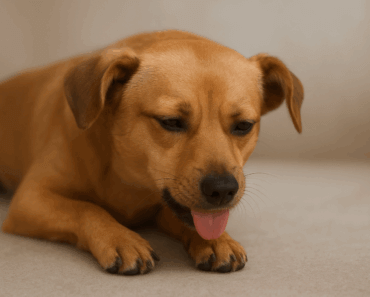
As more American pet owners look for natural and holistic ways to improve their dogs’ health, acupuncture for dogs has become increasingly popular. Once considered an alternative therapy reserved for humans, veterinary acupuncture is now widely used across the United States to help dogs manage pain, recover from injuries, and improve overall wellness.
But does dog acupuncture actually work? Is it safe? What conditions can it help treat? And how do you know if your furry friend is a good candidate?
In this comprehensive guide, we’ll cover everything USA dog owners need to know about acupuncture for dogs, including benefits, risks, costs, treatment expectations, and how to choose a qualified veterinary acupuncturist.
What Is Acupuncture For Dogs?
Dog acupuncture is a form of traditional Chinese veterinary medicine (TCVM) that involves inserting very thin needles into specific points on a dog’s body. These points are believed to stimulate nerves, muscles, blood circulation, and natural healing responses.
Veterinary acupuncture has been practiced for thousands of years and is now commonly integrated into modern veterinary medicine throughout the United States.
The primary goals of acupuncture for dogs include:
- Reducing pain
- Improving mobility
- Decreasing inflammation
- Supporting nerve function
- Enhancing healing
- Improving quality of life
Many veterinarians use acupuncture alongside traditional treatments such as medication, surgery, physical therapy, and rehabilitation.
How Does Dog Acupuncture Work?
From a modern medical perspective, acupuncture stimulates the nervous system and triggers biological responses in the body.
Research suggests acupuncture may help by:
- Releasing endorphins (natural painkillers)
- Increasing blood circulation
- Relaxing muscles
- Reducing inflammation
- Stimulating nerves
- Improving tissue healing
- Supporting immune function
When needles are inserted into acupuncture points, dogs often experience a calming effect. Some pets even become sleepy or deeply relaxed during treatment sessions.
Is Acupuncture Safe For Dogs?
Yes — when performed by a trained veterinary professional, acupuncture is generally considered very safe for dogs.
The needles used are extremely thin and sterile. Most dogs tolerate them surprisingly well.
Side effects are usually minimal and may include:
- Mild soreness
- Temporary fatigue
- Minor bruising
- Short-term symptom flare-up before improvement
Serious complications are rare when treatment is performed by a certified veterinary acupuncturist.
Conditions Acupuncture Can Help Treat In Dogs
One of the biggest reasons dog owners explore acupuncture is pain management. However, acupuncture can support a wide range of health conditions.
1. Arthritis And Joint Pain
Acupuncture is especially popular for senior dogs suffering from arthritis.
Dogs with osteoarthritis often experience:
- Stiffness
- Difficulty standing
- Limping
- Reduced activity
- Pain climbing stairs
Acupuncture may help reduce inflammation and improve mobility, making daily activities easier and more comfortable.
Many dog owners notice improvements after several sessions.
2. Hip Dysplasia
Hip dysplasia is common in large dog breeds such as:
- Labrador Retrievers
- German Shepherds
- Golden Retrievers
- Rottweilers
Acupuncture may help relieve chronic pain associated with hip dysplasia and improve movement.
It is often used alongside:
- Weight management
- Joint supplements
- Physical therapy
- Anti-inflammatory medications
3. Neurological Disorders
Veterinary acupuncture is sometimes used to support dogs with neurological conditions, including:
- IVDD (Intervertebral Disc Disease)
- Paralysis
- Nerve injuries
- Degenerative myelopathy
Some rehabilitation veterinarians incorporate acupuncture into recovery programs after spinal surgery or injury.
4. Post-Surgery Recovery
Acupuncture may help dogs recover more comfortably after surgery by:
- Reducing pain
- Improving circulation
- Supporting tissue healing
- Decreasing inflammation
It is commonly used after orthopedic procedures such as ACL surgery.
5. Anxiety And Stress
Some dogs experience anxiety related to:
- Thunderstorms
- Fireworks
- Separation
- Travel
- Veterinary visits
Acupuncture may help calm the nervous system and reduce stress responses in anxious dogs.
While it is not a replacement for behavioral training, it can be part of a broader anxiety-management plan.
6. Digestive Issues
Acupuncture may help support dogs with certain gastrointestinal conditions such as:
- Chronic vomiting
- Diarrhea
- Appetite loss
- Constipation
Holistic veterinarians sometimes combine acupuncture with dietary adjustments and herbal medicine.
7. Allergies And Skin Problems
Dogs with chronic skin irritation or allergies may benefit from acupuncture as part of a comprehensive treatment plan.
Symptoms may include:
- Itching
- Hot spots
- Inflammation
- Ear infections
Results vary, but some owners report reduced itching and improved skin condition.
What Happens During A Dog Acupuncture Session?
If your dog has never had acupuncture before, you may wonder what the process looks like.
Initial Consultation
The veterinarian will usually:
- Review your dog’s medical history
- Discuss symptoms
- Perform a physical exam
- Evaluate mobility and pain levels
Some holistic veterinarians may also assess:
- Tongue appearance
- Pulse quality
- Energy balance
Needle Placement
Very thin acupuncture needles are inserted into specific points on the body.
Common areas include:
- Back
- Legs
- Hips
- Neck
- Shoulders
Most dogs tolerate needle insertion well. Some barely react at all.
Relaxation Period
The needles usually remain in place for 10 to 30 minutes.
During this time, many dogs:
- Relax deeply
- Lie down calmly
- Become sleepy
Some clinics dim the lights or create a soothing environment to help pets stay comfortable.
After The Session
Dogs may experience:
- Increased relaxation
- Improved movement
- Mild tiredness
Some dogs show immediate improvement, while others need multiple sessions before noticeable results appear.
How Many Acupuncture Sessions Does A Dog Need?
The number of sessions depends on:
- The condition being treated
- Severity of symptoms
- Dog’s age
- Overall health
Typical Treatment Schedule
Acute Conditions
Dogs with recent injuries may improve after just a few treatments.
Chronic Conditions
Long-term issues such as arthritis often require:
- Weekly sessions initially
- Follow-up maintenance visits every few weeks
Consistency is important for long-term benefits.
Does Acupuncture Hurt Dogs?
This is one of the most common concerns among pet owners.
Fortunately, acupuncture needles are extremely thin — much thinner than needles used for vaccinations or blood draws.
Most dogs experience little to no discomfort.
Some dogs may briefly react when a needle is inserted, but many become relaxed once treatment begins.
In fact, some pets look forward to acupuncture visits because they associate them with pain relief and comfort.
Benefits Of Acupuncture For Dogs
There are many reasons dog owners choose acupuncture as part of their pet’s healthcare plan.
Natural Pain Relief
Acupuncture offers a drug-free approach to pain management.
This can be especially helpful for dogs that:
- Cannot tolerate certain medications
- Need additional pain control
- Have chronic conditions
Improved Mobility
Many senior dogs regain better movement and flexibility after acupuncture treatments.
Owners often report:
- Easier walking
- Improved stair climbing
- Increased activity
- Better quality of life
Reduced Medication Dependence
In some cases, acupuncture may help reduce reliance on pain medications.
However, owners should never stop prescribed medications without veterinary guidance.
Complementary Therapy
Acupuncture works well alongside:
- Physical therapy
- Rehabilitation
- Laser therapy
- Massage
- Medication
- Surgery recovery plans
Integrative veterinary medicine combines conventional and alternative treatments for comprehensive care.
Risks And Limitations Of Dog Acupuncture
While acupuncture has many potential benefits, it is important to maintain realistic expectations.
Not A Miracle Cure
Acupuncture may help manage symptoms, but it does not cure every condition.
Results vary depending on:
- Diagnosis
- Severity
- Individual response
Some Dogs Respond Better Than Others
Certain dogs show dramatic improvement, while others experience only mild changes.
Age, overall health, and underlying disease all play a role.
Requires Multiple Sessions
Acupuncture is rarely a one-time solution.
Chronic conditions usually require ongoing maintenance.
How Much Does Dog Acupuncture Cost In The USA?
The cost of veterinary acupuncture varies depending on:
- Geographic location
- Clinic type
- Veterinarian experience
- Session length
Average Cost Range
In the United States, dog acupuncture typically costs:
- Initial consultation: $100–$250
- Follow-up sessions: $75–$150 each
Specialty rehabilitation clinics may charge more.
Does Pet Insurance Cover Acupuncture?
Some pet insurance companies now cover alternative therapies, including acupuncture.
Coverage often depends on:
- Your policy
- Whether treatment is medically necessary
- Use of licensed veterinary professionals
Always review policy details carefully.
How To Find A Qualified Veterinary Acupuncturist
Choosing the right professional is extremely important.
Look for veterinarians certified in veterinary acupuncture through recognized organizations such as:
- Chi University
- International Veterinary Acupuncture Society (IVAS)
A qualified practitioner should:
- Be a licensed veterinarian
- Have formal acupuncture training
- Understand both traditional and modern veterinary medicine
Questions To Ask Before Starting Dog Acupuncture
Before scheduling treatment, consider asking:
- What experience do you have with my dog’s condition?
- How many sessions are usually needed?
- What results should I realistically expect?
- Are there any risks?
- Should acupuncture be combined with other therapies?
Good communication helps ensure the best care for your dog.
Can All Dogs Get Acupuncture?
Most dogs can safely receive acupuncture, including:
- Puppies
- Senior dogs
- Athletic dogs
- Dogs with chronic illness
However, acupuncture may not be appropriate for every situation.
Dogs with certain medical conditions may require special precautions.
Always consult your veterinarian before beginning treatment.
Electroacupuncture For Dogs
Some veterinary clinics offer electroacupuncture.
This technique involves attaching small electrodes to acupuncture needles to deliver gentle electrical stimulation.
Electroacupuncture is commonly used for:
- Neurological disorders
- Severe pain
- Muscle weakness
- Paralysis rehabilitation
The electrical pulses are carefully controlled and generally well tolerated.
Dry Needling vs. Acupuncture In Dogs
Some pet owners confuse dry needling with acupuncture.
Although both involve needles, they are different techniques.
Acupuncture
- Based on traditional Chinese medicine principles
- Uses specific acupuncture points
- Focuses on whole-body balance
Dry Needling
- Targets muscle trigger points
- Often used in sports medicine and rehabilitation
- Based on Western medical concepts
Both may provide therapeutic benefits depending on the condition.
Holistic Veterinary Care And Acupuncture
Acupuncture is part of a growing movement toward holistic and integrative veterinary care.
Many holistic veterinarians combine acupuncture with:
- Herbal medicine
- Nutrition counseling
- Physical rehabilitation
- Massage therapy
- Laser therapy
The goal is to support the dog’s overall health rather than focusing only on symptoms.
Helpful Products For Dogs Receiving Acupuncture
While acupuncture itself requires professional treatment, certain products may support your dog’s comfort and recovery at home.
Popular options include:
Orthopedic Dog Beds
Comfortable bedding can reduce pressure on sore joints and improve sleep quality for arthritic dogs.
Features to look for:
- Memory foam
- Non-slip base
- Washable cover
You may choose to include Amazon affiliate links to orthopedic dog beds in your blog article.
Joint Supplements
Many veterinarians recommend supplements containing:
- Glucosamine
- Chondroitin
- MSM
- Omega-3 fatty acids
These may complement acupuncture therapy for dogs with arthritis.
Mobility Harnesses
Support harnesses can help dogs with:
- Weak hind legs
- Hip dysplasia
- Post-surgery recovery
These products are especially helpful for senior dogs.
Signs Your Dog May Benefit From Acupuncture
You may want to discuss acupuncture with your veterinarian if your dog shows signs such as:
- Chronic pain
- Limping
- Stiffness
- Difficulty standing
- Reduced activity
- Anxiety
- Neurological weakness
- Recovery challenges after surgery
Early intervention may improve comfort and mobility.
What Veterinarians Think About Dog Acupuncture
Veterinary opinions on acupuncture continue to evolve.
Many integrative and rehabilitation veterinarians support acupuncture as part of a multimodal treatment approach.
Some conventional veterinarians remain cautious due to varying levels of scientific evidence for different conditions.
However, acupuncture is increasingly accepted within modern veterinary medicine, especially for pain management and rehabilitation.
Scientific Research On Acupuncture For Dogs
Research on veterinary acupuncture is ongoing.
Some studies suggest benefits for:
- Pain reduction
- Arthritis management
- Neurological recovery
However, more large-scale clinical studies are still needed.
Despite this, many veterinarians and pet owners report positive real-world outcomes.
Preparing Your Dog For An Acupuncture Appointment
To help your dog have a positive experience:
- Bring favorite treats
- Allow bathroom breaks beforehand
- Keep your dog calm before the visit
- Use a secure leash or carrier
- Bring medical records if requested
A relaxed dog often responds better during treatment.
Senior Dogs And Acupuncture
Senior dogs are among the most common acupuncture patients.
As dogs age, they frequently develop:
- Arthritis
- Muscle stiffness
- Reduced mobility
- Chronic pain
Acupuncture may help older dogs stay active and comfortable longer.
Many owners seek acupuncture to improve quality of life during their dog’s senior years.
Is Acupuncture Worth It For Dogs?
For many pet owners, the answer is yes.
While results vary, acupuncture may provide:
- Better pain control
- Improved mobility
- Enhanced comfort
- Reduced stress
- Better quality of life
Dogs dealing with chronic pain or mobility issues may especially benefit from integrative therapies.
The key is working with a qualified veterinary professional and maintaining realistic expectations.
Final Thoughts On Acupuncture For Dogs
Acupuncture for dogs is no longer considered an unusual alternative therapy. Across the United States, more veterinarians are incorporating acupuncture into modern treatment plans for pain management, rehabilitation, and wellness support.
Although it may not replace conventional medicine, acupuncture can be a valuable complementary therapy for many dogs — especially seniors and pets with chronic conditions.
If your dog struggles with pain, stiffness, anxiety, or mobility problems, discussing acupuncture with your veterinarian may open the door to additional treatment options that improve comfort and overall well-being.
With the right practitioner and treatment plan, acupuncture could help your dog enjoy a happier, healthier, and more active life.