
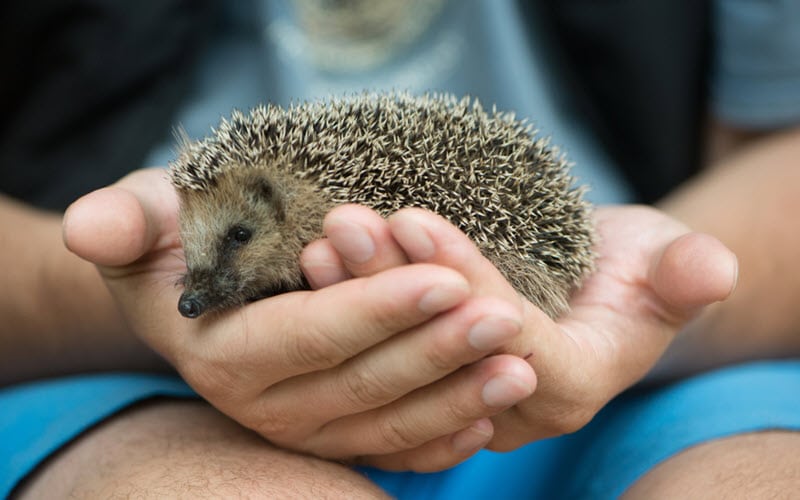
A captive African pygmy hedgehog typically lives three to six years with proper care, though some reach eight or older. LafeberVet cites a mean lifespan of four to six years with up to ten recorded (https://lafeber.com/vet/basic-information-for-hedgehogs/). Merck describes the species as having “a short life span” with neoplasia and neurologic disease as primary life-shortening conditions (https://www.merckvetmanual.com/exotic-and-laboratory-animals/hedgehogs/diseases-of-hedgehogs). Those numbers are real, and they mean every year of care counts more than it would for a ten-year companion animal. This article walks through the hedgehog life stages, the factors that shorten or extend those years, and the practical steps that give your hedgehog the best chance at a full lifespan.
How long do pet hedgehogs live in captivity?
Most pet African pygmy hedgehogs (Atelerix albiventris) live three to six years under competent care. LafeberVet’s Basic Information Sheet lists the mean lifespan at four to six years with a recorded upper end of ten years (https://lafeber.com/vet/basic-information-for-hedgehogs/). The Merck Veterinary Manual does not give a single number but frames the species as short-lived relative to other exotic companion mammals, with disease burden concentrated in the second half of life (https://www.merckvetmanual.com/exotic-and-laboratory-animals/hedgehogs/diseases-of-hedgehogs).
In practice, the range you see in keeper communities reflects care quality more than genetic luck alone. A hedgehog housed at the correct temperature, fed a balanced diet, given nightly exercise, and examined by an exotic vet at least annually has a realistic shot at five or six years. A hedgehog in a cold room on a seed-heavy diet with no vet visits may not reach three. Experienced keepers we work with find that animals losing a year or more off their expected lifespan almost always trace back to a preventable husbandry gap or a late-caught disease rather than pure bad fortune.
The numbers also carry a practical implication for prospective owners. Three to six years is long enough to build a genuine bond with a well-handled hedgehog but short enough that end-of-life planning is not abstract. Anyone weighing that commitment against their lifestyle should read the full hedgehog as a pet decision guide before purchasing.
Wild versus captive lifespan: different species, different numbers
Wild European hedgehogs (Erinaceus europaeus) typically live two to five years, with some individuals reaching seven or older in favorable habitats. The pet species, the African pygmy hedgehog, is a different animal with a different range, different physiology, and different disease profile. Conflating the two leads to bad expectations in both directions.
Captive African pygmy hedgehogs live longer than their wild-range counterparts primarily because predation, parasitic load, seasonal starvation, and road mortality are removed. But captivity introduces its own risks. Temperature instability triggers torpor, which is a medical emergency in this species rather than a safe seasonal strategy. Sedentary life without a wheel accelerates obesity. And the closed breeding pool in North America concentrates genetic conditions like wobbly hedgehog syndrome and heritable cancers that wild populations dilute through natural selection.
The honest comparison: a captive APH with proper care typically outlives a wild European hedgehog, but captivity does not automatically mean a longer life. It means a different set of threats, most of which the keeper controls. New owners who research “hedgehog lifespan” and land on European hedgehog data may expect two to three years and underinvest in veterinary care, or they may see eight-to-ten-year captive European records and assume their African pygmy hedgehog will match. Neither expectation serves the animal. For the full temperature-stability framework that prevents captivity’s most acute risk, see the hedgehog temperature requirements guide.
Life stages of a pet hedgehog: hoglet to senior
Understanding your hedgehog’s current life stage helps you adjust care before problems develop. Each stage has observable milestones and specific care needs.
Hoglet: birth to six months
Hoglets are born blind, deaf, and covered in a membrane that conceals soft white spines. Within the first 24 hours, those initial quills emerge through the skin. Eyes open at roughly 14 to 18 days. Weaning happens between four and six weeks, with the young hedgehog transitioning from milk to solid food. The first major quilling event typically starts around six to eight weeks, when baby quills shed and larger adult quills push through, a process that causes visible discomfort and increased defensive behavior.
By six to eight weeks, hoglets weigh approximately 100 to 170 grams and look like miniature adults. Sexual maturity in males can occur as early as two months, though females should not be bred before six months per both Merck and LafeberVet guidance (https://www.merckvetmanual.com/exotic-and-laboratory-animals/hedgehogs/management-of-hedgehogs). This stage is also the prime window for socialization. The hedgehog handling guide covers taming technique in depth.
Juvenile: six to twelve months
The hedgehog grows toward its adult weight range of roughly 300 to 600 grams. A second quilling event often occurs between 12 and 16 weeks, smaller than the first but still noticeable through increased quill loss and crankiness. Activity levels are high, and the animal establishes its nighttime routine with a running wheel, foraging, and exploration.
This period is when behavioral patterns solidify. A hedgehog that learns consistent, calm handling during these months tends to remain more tolerant throughout adulthood. The hedgehog behavior guide explains anointing, huffing, and other signals keepers see during this stage.
Adult: one to three years
Peak physical condition. Weight stabilizes within the 300 to 600 gram adult range, activity is consistent, and the animal’s personality is well established. This stage is the baseline against which you measure future changes. Weekly weighing on a gram-reading kitchen scale and a weekly keeper exam covering quills, feet, eyes, ears, and ventrum create the records that make a deviation visible before it becomes an emergency.
Cancer screening becomes relevant from about age two onward. Merck’s diseases chapter notes that neoplasia appears in hedgehogs as young as two, though the typical onset is three-plus years (https://www.merckvetmanual.com/exotic-and-laboratory-animals/hedgehogs/diseases-of-hedgehogs). Biannual vet visits starting at age two catch early masses that annual visits might miss by six months.
Senior: three years and older
Most hedgehogs enter their senior phase around age three. Observable changes include reduced wheel usage, longer sleep periods, gradual weight loss, and potentially declining appetite. Dental wear accelerates, with tooth loss or gum disease becoming more common. Quills may thin or become brittle. Mobility can decrease as joint stiffness develops.
From a keeper-community observation standpoint, the transition from adult to senior is usually gradual and easier to miss than the dramatic changes in the hoglet stage. The keeper who weighs weekly and logs the numbers catches a downward trend three to four weeks before the keeper who eyeballs condition.
What shortens a hedgehog’s lifespan?
Several factors compress the three-to-six-year window. Most are modifiable, which means they respond to changes in care. The ones that are not modifiable still benefit from early detection.
Wobbly hedgehog syndrome
Wobbly hedgehog syndrome is a progressive demyelinating disease that destroys the nerve sheaths controlling muscle function. LafeberVet reports approximately 10 percent prevalence in the North American captive population (https://lafeber.com/vet/basic-information-for-hedgehogs/). A 2023 JAVMA retrospective on 49 affected hedgehogs found that the mean age at neurologic onset was 3.3 years, with a median time from onset of clinical signs to euthanasia of just 51 days. The disease course from first hind-limb wobble to full paralysis typically spans 18 to 25 months in longer-surviving cases, though some progress faster.
WHS shortens lifespan dramatically and has no cure. The disease is believed to be inherited, which means breeding decisions upstream determine prevalence downstream. For a full breakdown of progression stages, supportive care, and quality-of-life assessment during WHS, see the wobbly hedgehog syndrome guide.
Cancer and neoplasia
Neoplasia is extremely common in African pygmy hedgehogs. Merck’s diseases chapter reports that over 80 percent of tumors identified in hedgehogs were malignant. Tumors appear across virtually every body system, with oral squamous cell carcinoma, integumentary tumors, and reproductive-tract neoplasia among the most frequent. Although neoplasia can develop in animals as young as two, the typical onset is age three and older.
Uterine tumors deserve special attention. A 2018 study of 50 female hedgehogs found proliferative endometrial lesions in 54 percent, with a mean age at diagnosis of about 25 months. Merck recommends that prophylactic ovariohysterectomy (spaying) be “strongly considered” because of the high incidence of uterine disease in this species. Spaying before age two removes the uterine cancer risk entirely and is a concrete lifespan intervention with strong veterinary consensus behind it. The full disease triage framework is in the hedgehog health problems guide.
Obesity and fatty liver disease
Hedgehogs in captivity gain weight easily because food is abundant and exercise depends entirely on the keeper providing a proper wheel and enrichment. Obesity stresses the liver (hepatic lipidosis is a documented cause of death in captive hedgehogs), reduces mobility, and compounds cardiac load in a species already prone to dilated cardiomyopathy. LafeberVet notes that dilated cardiomyopathy commonly affects males over one year of age.
Merck’s management chapter recommends rationing food to three to four teaspoons daily for adult hedgehogs specifically to prevent obesity. A solid-surface exercise wheel is not optional enrichment; it is a lifespan tool. Diet composition and portion control are covered in depth in the hedgehog diet guide.
Temperature instability
African pygmy hedgehogs cannot hibernate safely. Ambient temperatures below roughly 65 degrees Fahrenheit trigger torpor, a hypothermic emergency that suppresses the immune system and can kill within hours. Repeated torpor episodes, even survived ones, create cumulative immune and metabolic damage that shortens overall lifespan. Repeated torpor episodes also mask early signs of other conditions, because a keeper focused on rewarming may not notice the weight loss or appetite change that preceded the cold event. The prevention framework is straightforward: a ceramic heat emitter on a thermostat holding 72 to 80 degrees Fahrenheit year-round, as covered in the torpor and hibernation emergency guide.
Breeding history
Over-bred females live shorter lives. Repeated pregnancies and nursing cycles deplete calcium reserves, increase uterine disease risk, and compound metabolic stress. LafeberVet notes females reach sexual maturity at six to eight months but should not be bred before six months, and responsible breeders retire females from reproduction by about age two to protect the animal’s remaining years.
Stress and husbandry gaps
Chronic stress from incorrect housing (too small, too loud, cohabitated with another hedgehog), inconsistent light cycles, and rough handling suppresses immune function over time. These effects do not produce a single dramatic event. They show up as increased susceptibility to respiratory infections, slower wound healing, and earlier onset of age-related decline. Solitary housing in an adequately sized enclosure with a consistent 12-hour light and dark cycle addresses the most common stressors.
Signs of aging in senior hedgehogs
Recognizing gradual decline early is the difference between proactive care and reactive emergency visits. Common signs of aging in pet hedgehogs include:
- Reduced activity. Less wheel running, slower exploration, more time sleeping. A hedgehog that previously ran several miles per night and now runs a fraction of that distance is showing its age.
- Weight loss. Gradual loss of muscle mass is normal aging; rapid loss (more than 10 percent of body weight in a month) warrants a vet visit for underlying disease screening.
- Dental decline. Tooth loss, gum recession, difficulty eating hard kibble, drooling, or blood-tinged saliva. Older hedgehogs may need softened food or a diet adjustment.
- Quill and skin changes. Quills may thin, break more easily, or shed without full regrowth. Skin can become drier and less elastic.
- Decreased responsiveness. Vision and hearing decline with age. The hedgehog may startle more easily or respond less to familiar sounds and scents.
- Mobility changes. Stiffness on waking, reluctance to climb, difficulty curling into a tight ball. Arthritis-like stiffness is common in hedgehogs over four years.
None of these signs alone confirms “just aging.” Each one can also indicate treatable disease. Weight loss could be dental disease, cancer, or kidney failure. Reduced activity could be pain, torpor onset, or WHS. A vet visit distinguishes normal aging from a condition that still responds to treatment.
Senior hedgehogs also benefit from enclosure modifications. Lowering any ramps, using shallower food and water dishes, and confirming the wheel is still accessible all reduce the physical demand on an aging body. Some keepers switch from a standard 12-inch bucket wheel to a lower-entry design when the hedgehog shows visible stiffness climbing in. The cage setup guide covers baseline enclosure standards; senior adjustments layer on top of those minimums rather than replacing them.
Extending healthy years: a preventive care checklist
The following checklist is not aspirational. Every item has direct evidence linking it to longer, healthier captive hedgehog lifespans.
- Annual exotic-vet exam, biannual from age two. Full physical, fecal, and CBC baseline. Merck recommends checkups every six months with complete examination and blood testing under chemical restraint.
- Temperature stability. Ceramic heat emitter plus thermostat holding 72 to 80 degrees Fahrenheit. Digital thermometer at cage floor with min/max memory. No cold dips, no heat spikes.
- Weight monitoring. Weekly weigh-in on a gram-reading kitchen scale. Log the number. React to trends, not single readings.
- Diet quality. Portion-controlled insectivore kibble (three to four teaspoons daily for adults), live or dried insects for enrichment and protein, no seed-heavy mixes, no fruit-heavy treats.
- Solid-surface exercise wheel. Running is the primary cardiovascular and metabolic exercise for captive hedgehogs. A 12-inch-minimum solid-surface wheel available every night is not negotiable.
- Dental awareness. Watch for drooling, appetite changes, or visible oral masses during opportunistic mouth checks (yawning, eating, anointing). Annual dental exam from age two.
- Spaying females. Prophylactic ovariohysterectomy before age two eliminates uterine cancer risk and is recommended by Merck for this species.
- Stress reduction. Solitary housing, consistent 12-hour light and 12-hour dark cycle, quiet daytime environment, predictable handling routine.
- Quill and skin checks. Weekly visual inspection during handling. Early mite detection prevents secondary infections and weight-loss spirals.
Vet-tech teams working in exotic practice observe that the hedgehogs reaching five and six years almost always come from homes running this exact checklist, not from homes with better genetics or more expensive setups. The consistent, unglamorous routine is the longevity intervention.
End-of-life considerations: quality over quantity
Hedgehog keepers face end-of-life decisions more frequently than dog or cat owners because the compressed lifespan means a three-year-old hedgehog may already have advanced disease. Approaching this honestly, without euphemism, serves the animal.
Quality-of-life assessment framework
When a hedgehog has a progressive condition (WHS, inoperable cancer, organ failure), four questions structure the daily assessment:
- Is the hedgehog eating and drinking voluntarily? Refusal to eat for more than 24 hours in a warm, stress-free environment is a significant welfare flag.
- Is the hedgehog mobile enough to reach food, water, and its sleeping area? An animal that cannot move to its basic resources without assistance has lost functional independence.
- Is the hedgehog responsive to familiar stimuli? Some recognition of scent, sound, or gentle touch indicates the animal is still present in its environment. Complete unresponsiveness (outside of normal deep sleep) suggests severe neurologic compromise.
- Is the hedgehog showing signs of pain? Guarding, vocalizing when touched, teeth grinding, sustained defensive posture without the ability to ball up, or visible distress during basic movement all indicate pain that may not be manageable.
When the answer to two or more of these questions is consistently “no” over several days, the welfare-honest conversation with your exotic vet is about euthanasia, not about what else to try. Prolonging a hedgehog’s life past the point of meaningful quality is not care.
When to have the conversation
Do not wait until the hedgehog is in crisis. If your hedgehog has been diagnosed with WHS, cancer, or another progressive condition, discuss end-of-life planning with your vet at the time of diagnosis, not at the point of visible suffering. Having a plan in advance reduces the chance of making decisions under emotional pressure that prioritize the owner’s grief over the animal’s welfare.
Frequently asked questions
How long do hedgehogs live as pets compared to other small animals?
Pet hedgehogs typically live three to six years, which is shorter than rabbits (eight to twelve years) and chinchillas (ten to fifteen years) but comparable to hamsters (two to three years) and slightly shorter than guinea pigs (five to seven years). The difference is that hedgehog disease burden, particularly cancer and WHS, compresses the healthy portion of that lifespan more aggressively than most small-mammal conditions. Veterinary costs per year of ownership tend to be higher than for comparably sized pets because exotic-vet visits cost more and disease frequency is high.
Can a hedgehog live longer than six years?
Yes, but it is uncommon. LafeberVet records lifespans up to ten years, and scattered keeper reports cite animals reaching eight or nine. These outliers typically had stable temperature environments, early spaying (for females), no WHS or cancer diagnosis, and consistent veterinary oversight from an exotic-animal specialist. Expecting five or six years is realistic with proper care; planning your budget and routine as if the animal will need it for eight is prudent.
Does diet really affect hedgehog lifespan?
Directly. Obesity from overfeeding or inappropriate food (seed mixes, high-fat treats, excessive mealworms) leads to hepatic lipidosis and cardiac stress, both documented causes of premature death in captive hedgehogs. Merck recommends rationing adult hedgehogs to three to four teaspoons of a commercial hedgehog or insectivore food daily. Controlled portions combined with a solid-surface exercise wheel available nightly is the minimum metabolic framework for this species.
What is the most common cause of death in pet hedgehogs?
Cancer. Merck reports that neoplasia is extremely common in African pygmy hedgehogs, with over 80 percent of identified tumors being malignant. WHS accounts for a smaller but significant share of deaths, affecting roughly 10 percent of the North American captive population. Cardiac disease (particularly dilated cardiomyopathy), respiratory infections, and husbandry-related emergencies (torpor from cold exposure, hepatic lipidosis from obesity) account for most of the remaining premature deaths.
Should I get a second hedgehog when my first one is aging?
That depends on your capacity, not on the aging hedgehog’s needs. African pygmy hedgehogs are solitary animals and do not benefit from a companion. A second hedgehog requires a separate enclosure, separate vet budget, and separate care routine. If you have the resources and want to continue keeping hedgehogs, get the second animal on its own timeline rather than as a companion for the first.
Researched and written by the ExoPetGuides editorial team with AI-assisted drafting. All husbandry parameters and veterinary references independently verified against the Merck Veterinary Manual hedgehog chapters on management and diseases (Doss DVM DACZM and Carpenter DVM DACZM), the LafeberVet Basic Information Sheet for the African pygmy hedgehog (Pollock DVM DABVP and Parmentier DVM), the 2023 JAVMA retrospective on wobbly hedgehog syndrome in 49 African pygmy hedgehogs, and the Hedgehog Welfare Society published keeper resources.
Disclaimer: This content is for educational purposes only and is not a substitute for professional veterinary advice. Always consult a qualified veterinarian — ideally an exotic-animal specialist — for any health concern about your pet. Care recommendations may vary based on species, individual animal, and local regulations.